

 Image 1 of 3
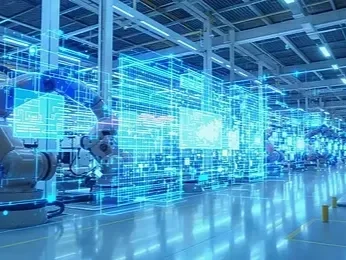 Image 2 of 3
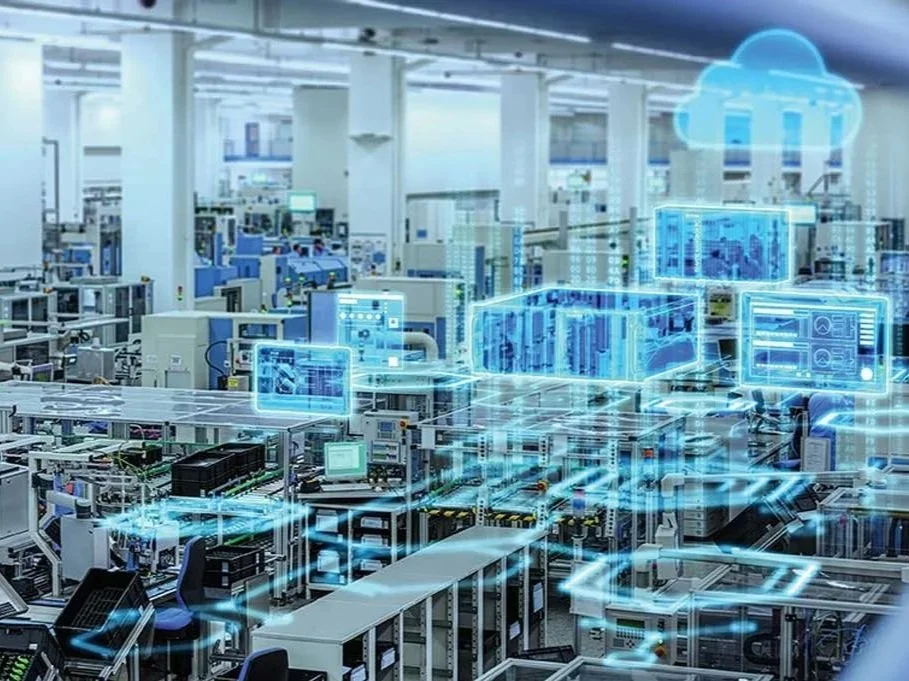 Image 3 of 3
Advanced monitoring systems are crucial in industrial facilities, serving multiple functions that enhance efficiency, safety, and productivity. Here’s a detailed look at their roles:
~~ Real-Time Data Collection
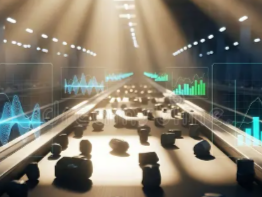
- Continuous Monitoring: These systems gather data from various sensors installed on equipment and conveyors, providing a real-time view of operational statuses.
- Performance Metrics: They track key performance indicators (KPIs) such as speed, temperature, and load, enabling immediate insights into equipment health.
~~ Predictive Maintenance
- Condition Monitoring: By analyzing data trends, these systems can predict when equipment is likely to fail, allowing for proactive maintenance.
- Reduced Downtime: This foresight minimizes unexpected breakdowns, ensuring smoother operations and reducing costly downtime.
~~ Enhanced Safety
- Alerts and Notifications: Advanced monitoring systems can trigger alerts for any anomalies or unsafe conditions, ensuring swift action can be taken.
- Compliance: They help facilities adhere to safety regulations by monitoring critical parameters and generating compliance reports.
~~ Operational Efficiency
- Optimization: By providing insights into equipment performance, these systems allow for adjustments that optimize processes and reduce waste.
- Energy Management: They can monitor energy usage, identifying areas for improvement and contributing to sustainability efforts.
~~ Data Analytics and Reporting
- In-Depth Analysis: Advanced monitoring systems often include analytics tools that help in understanding trends and patterns over time.
- Reporting Capabilities: Generate comprehensive reports for management, aiding in decision-making and strategic planning.
~~ Integration with Other Technologies
- Smart Factory Initiatives: These systems can integrate with other technologies like IoT devices and automation systems, contributing to a connected and intelligent manufacturing environment.
~~ Cost Savings
- Resource Allocation: By identifying inefficiencies and areas needing attention, these systems help in optimal resource allocation, ultimately leading to cost reductions.
- Investment Justification: The long-term savings from reduced maintenance and operational inefficiencies can justify the initial investment in these technologies.
Advanced monitoring systems are crucial in industrial facilities, serving multiple functions that enhance efficiency, safety, and productivity. Here’s a detailed look at their roles:
~~ Real-Time Data Collection
- Continuous Monitoring: These systems gather data from various sensors installed on equipment and conveyors, providing a real-time view of operational statuses.
- Performance Metrics: They track key performance indicators (KPIs) such as speed, temperature, and load, enabling immediate insights into equipment health.
~~ Predictive Maintenance
- Condition Monitoring: By analyzing data trends, these systems can predict when equipment is likely to fail, allowing for proactive maintenance.
- Reduced Downtime: This foresight minimizes unexpected breakdowns, ensuring smoother operations and reducing costly downtime.
~~ Enhanced Safety
- Alerts and Notifications: Advanced monitoring systems can trigger alerts for any anomalies or unsafe conditions, ensuring swift action can be taken.
- Compliance: They help facilities adhere to safety regulations by monitoring critical parameters and generating compliance reports.
~~ Operational Efficiency
- Optimization: By providing insights into equipment performance, these systems allow for adjustments that optimize processes and reduce waste.
- Energy Management: They can monitor energy usage, identifying areas for improvement and contributing to sustainability efforts.
~~ Data Analytics and Reporting
- In-Depth Analysis: Advanced monitoring systems often include analytics tools that help in understanding trends and patterns over time.
- Reporting Capabilities: Generate comprehensive reports for management, aiding in decision-making and strategic planning.
~~ Integration with Other Technologies
- Smart Factory Initiatives: These systems can integrate with other technologies like IoT devices and automation systems, contributing to a connected and intelligent manufacturing environment.
~~ Cost Savings
- Resource Allocation: By identifying inefficiencies and areas needing attention, these systems help in optimal resource allocation, ultimately leading to cost reductions.
- Investment Justification: The long-term savings from reduced maintenance and operational inefficiencies can justify the initial investment in these technologies.